Skip to content
EVOHN

Stack 02

Metabolic Protocol

Incretin receptor signalling examined alongside mitochondrial energy sensing.

Research domain
Weight Loss
Components
02
Certification
Per component
Supply
Never pre-mixed
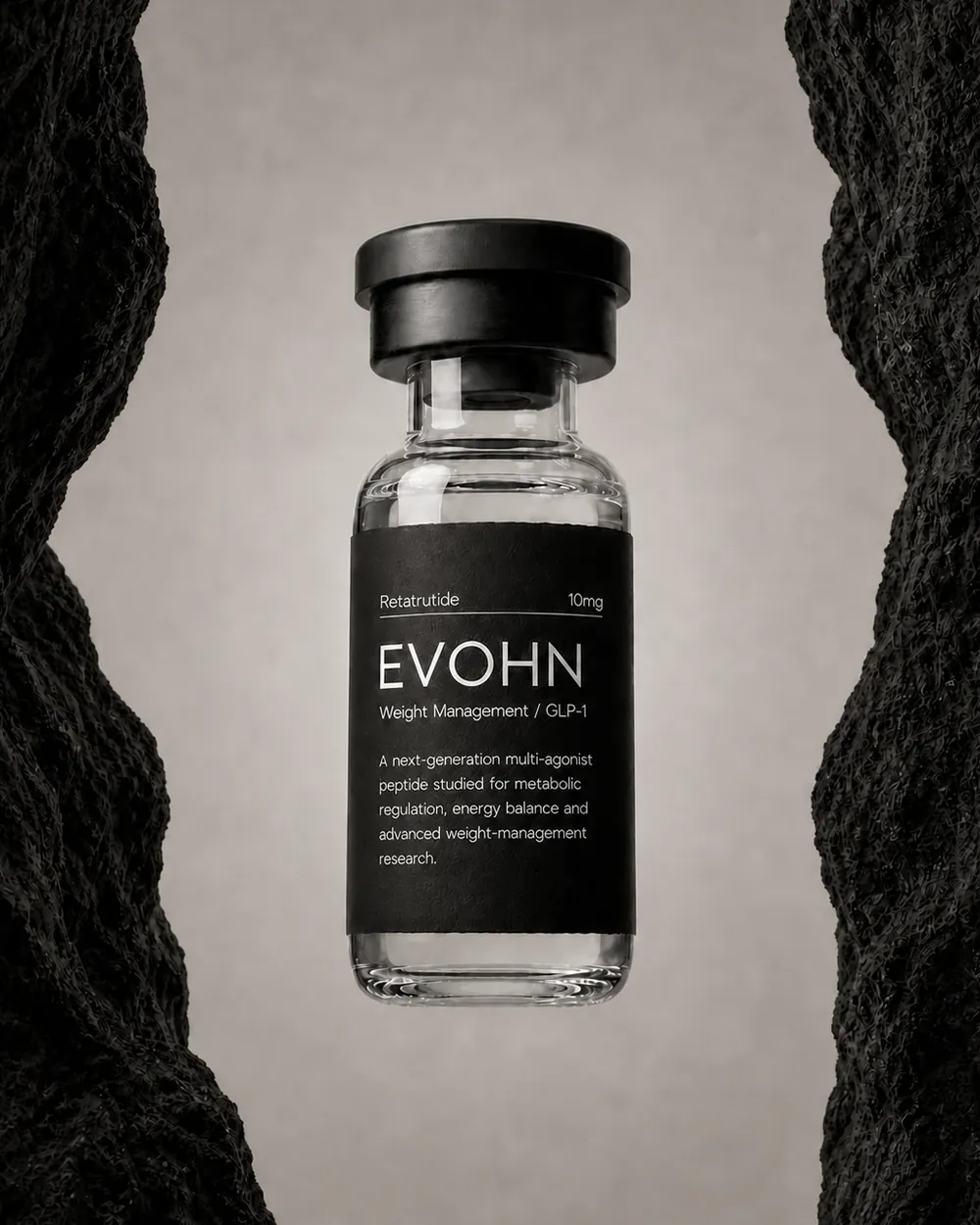
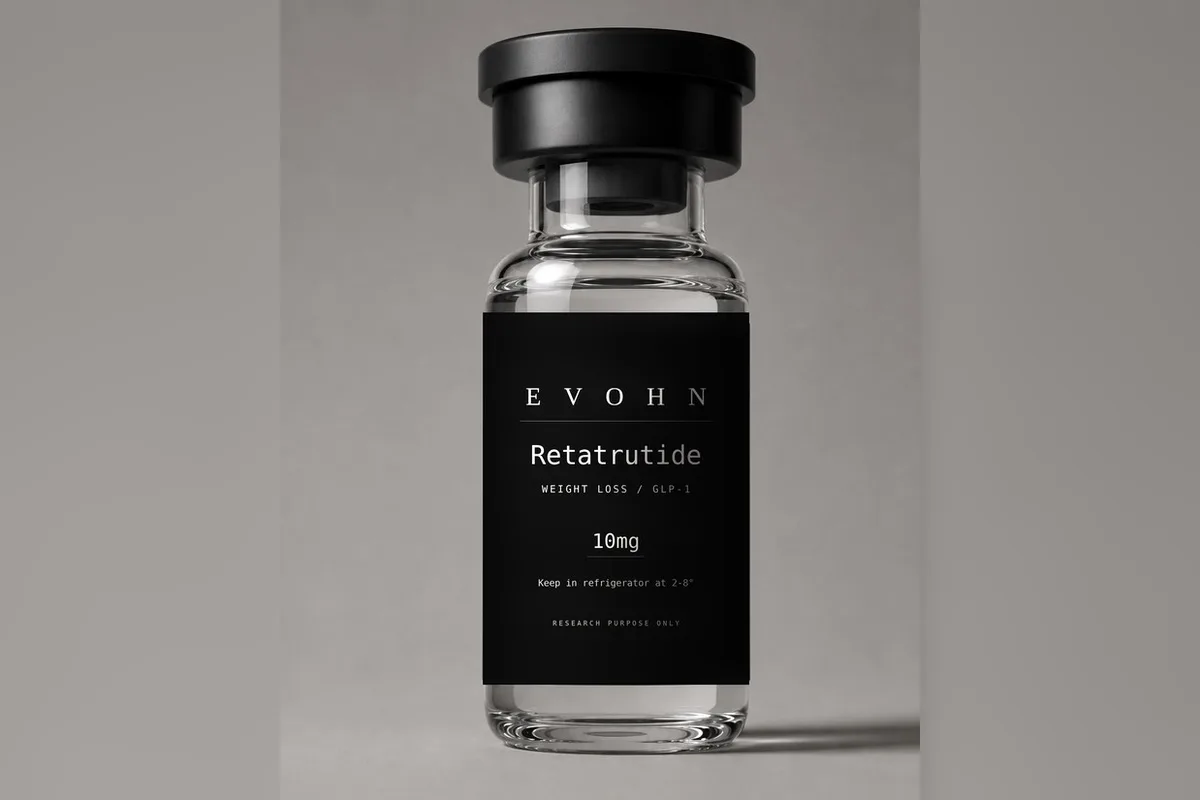
EVOHN Retatrutide
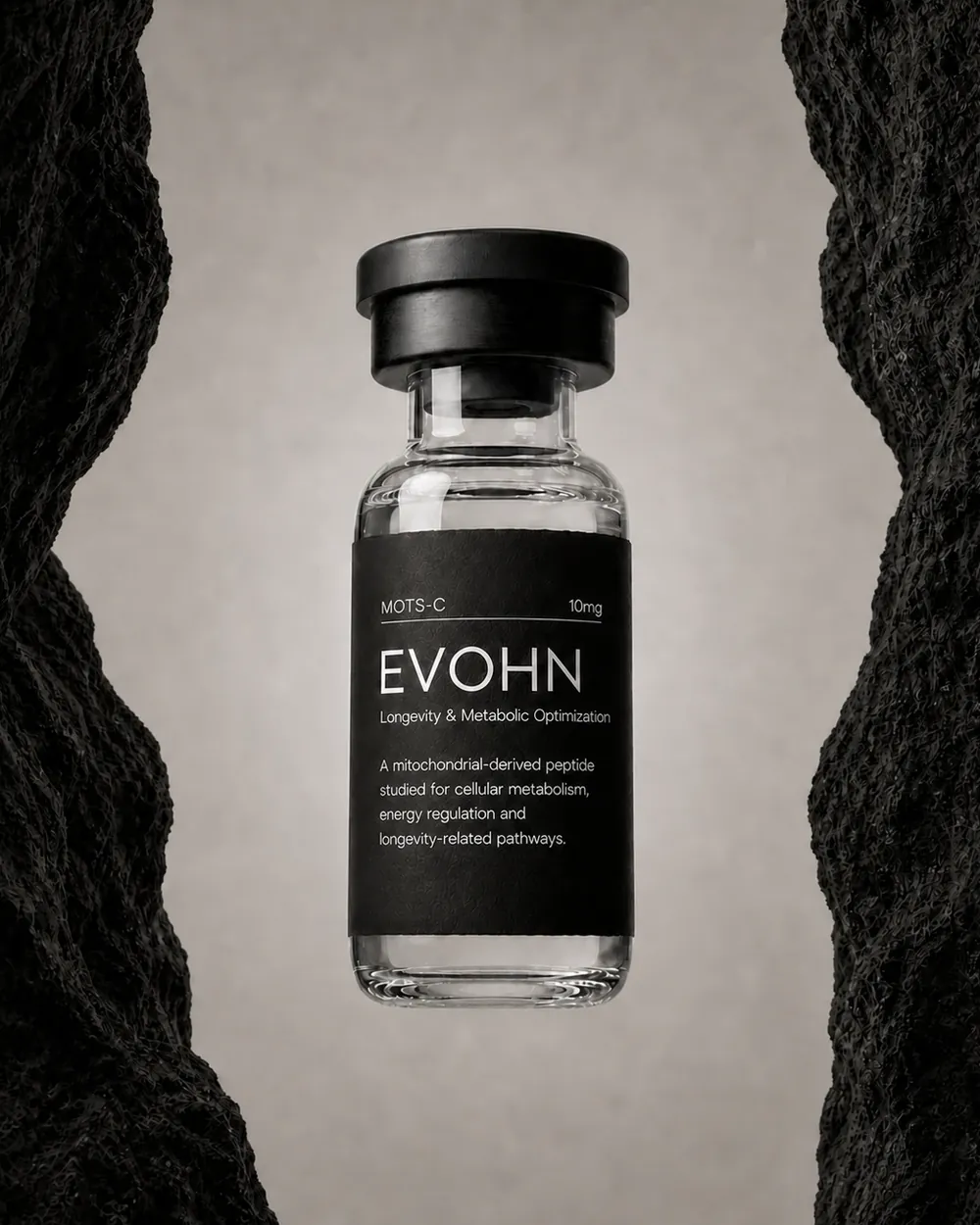
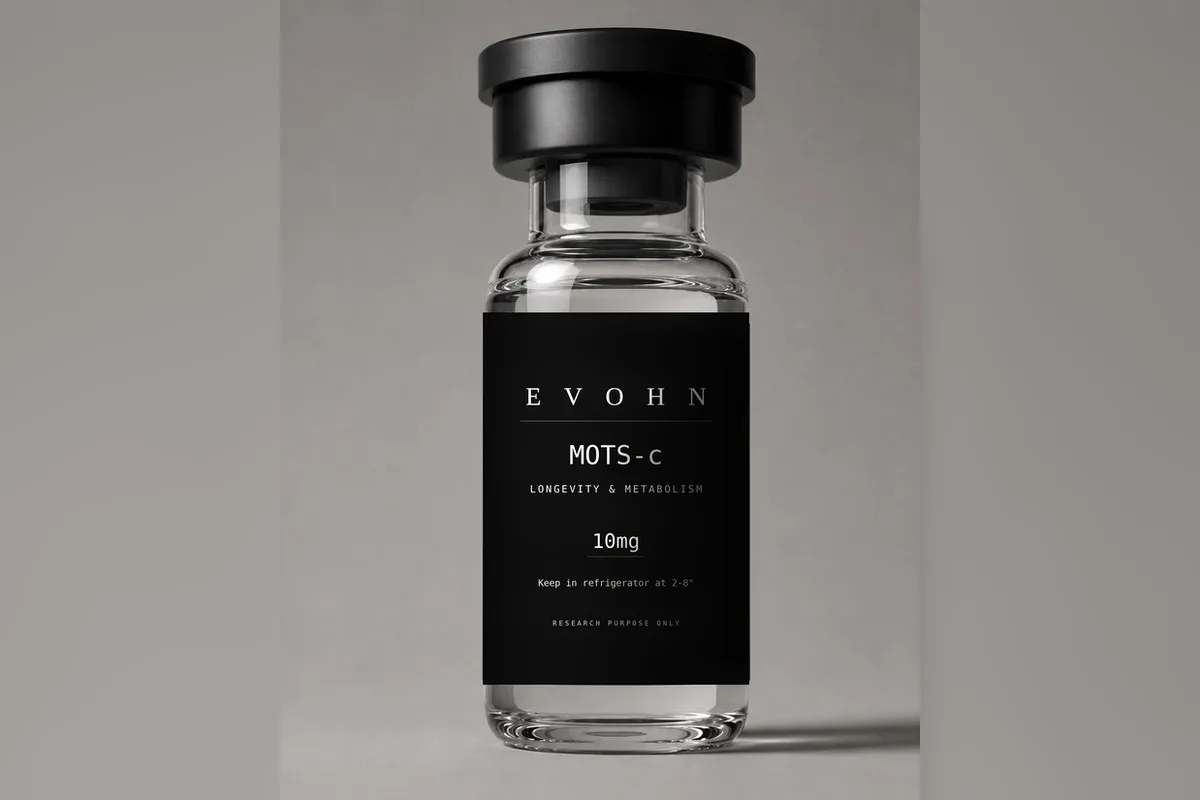
EVOHN MOTS-c

Overview

What this grouping is

Metabolic research increasingly separates two questions that were once treated as one: what a compound does at the receptor, and what the cell does with the energy that follows. This grouping pairs a receptor-level agonist with a mitochondrial-derived signalling peptide so that both can be observed in the same model.

Retatrutide supplies a well-characterised, multi-receptor incretin and glucagon arm. MOTS-c supplies the intracellular energy-sensing arm through AMPK. Neither is a proxy for the other, which is precisely why the pairing is informative.

Purpose

To hold receptor-level incretin signalling and cellular energy sensing in one experimental frame, rather than inferring one from the other.

Included peptides

02 independently certified vials

Each component carries its own batch number and its own certificate of analysis. A stack result is only traceable if every batch identifier is recorded.

  • 01

    Retatrutide

    10 mg / vial

    Multi-receptor incretin and glucagon agonism — the receptor-level metabolic input.

    Assayed purity99.38%
    98%Spec ≥ 99%100%
  • 02

    MOTS-c

    10 mg / vial

    AMPK activation via the folate cycle — the cellular energy-sensing input.

    Assayed purity99.29%
    98%Spec ≥ 99%100%

Scientific summary

Retatrutide is characterised as engaging the GIP, GLP-1 and glucagon receptors from a single backbone, with the glucagon arm examined for its contribution to energy expenditure alongside the incretin arms' action on insulin secretion and appetite pathways. MOTS-c operates at a different level entirely: encoded in the mitochondrial 12S rRNA gene, it is described as inhibiting the folate cycle, accumulating AICAR and thereby activating AMPK, with reported nuclear translocation under metabolic stress. Studying them together allows receptor-driven and energy-state-driven effects to be attributed separately.

Ideal research use

  • 01Metabolic pathway characterisation across receptor and cellular levels
  • 02Substrate utilisation studies in skeletal muscle preparations
  • 03Comparative work separating appetite signalling from energy expenditure
  • 04Exercise physiology models with a metabolic covariate

Protocol information

How the set is handled

A description of laboratory practice as the published record reports it. Nothing here is administration guidance, and none of it should be read as such.

  1. 01Study designPublished designs typically run both arms independently before combining them, so that the additive and interactive components can be distinguished from the outset.
  2. 02ReconstitutionBoth compounds reconstitute readily in bacteriostatic water. Retatrutide's acylated backbone makes it tolerant of standard handling; MOTS-c is the shorter-lived of the two in solution.
  3. 03TimingThe two have markedly different reported clearance profiles — one measured in days, the other rapid. Time-course designs should be built around the shorter of the two rather than the longer.
  4. 04DocumentationRecord purity and content values from each certificate. Comparative metabolic work is sensitive to content variance, so the assayed content figure matters more here than the nominal label strength.

Storage

Every component is supplied lyophilised and is stored independently at −20 °C, protected from light and moisture. Components are not pre-mixed: each vial carries its own batch number and its own certificate of analysis, and each is reconstituted separately. Once in solution, hold at 2–8 °C and observe the interval stated on the batch certificate for that specific component — the shortest interval in the group governs the group.

Storage & handling guide

Frequently asked

About this grouping

This catalogue is presented for informational purposes only. It is not an offer of sale, and it makes no medical or therapeutic claim.

Enquiries

Discuss the protocol.

Ask a specialist about the Metabolic Protocol — component batches, current documentation, and what can be supplied to your territory.