Compound Profiles6 min read
Regulatory Neuropeptides and the Proline-Glycine-Proline Motif
Semax and Selank share a stabilising extension and almost nothing else. That combination makes them unusually useful as controls for one another.
Read entryStack 05
Two regulatory neuropeptides with complementary neurotrophic and monoaminergic profiles.
What this grouping is
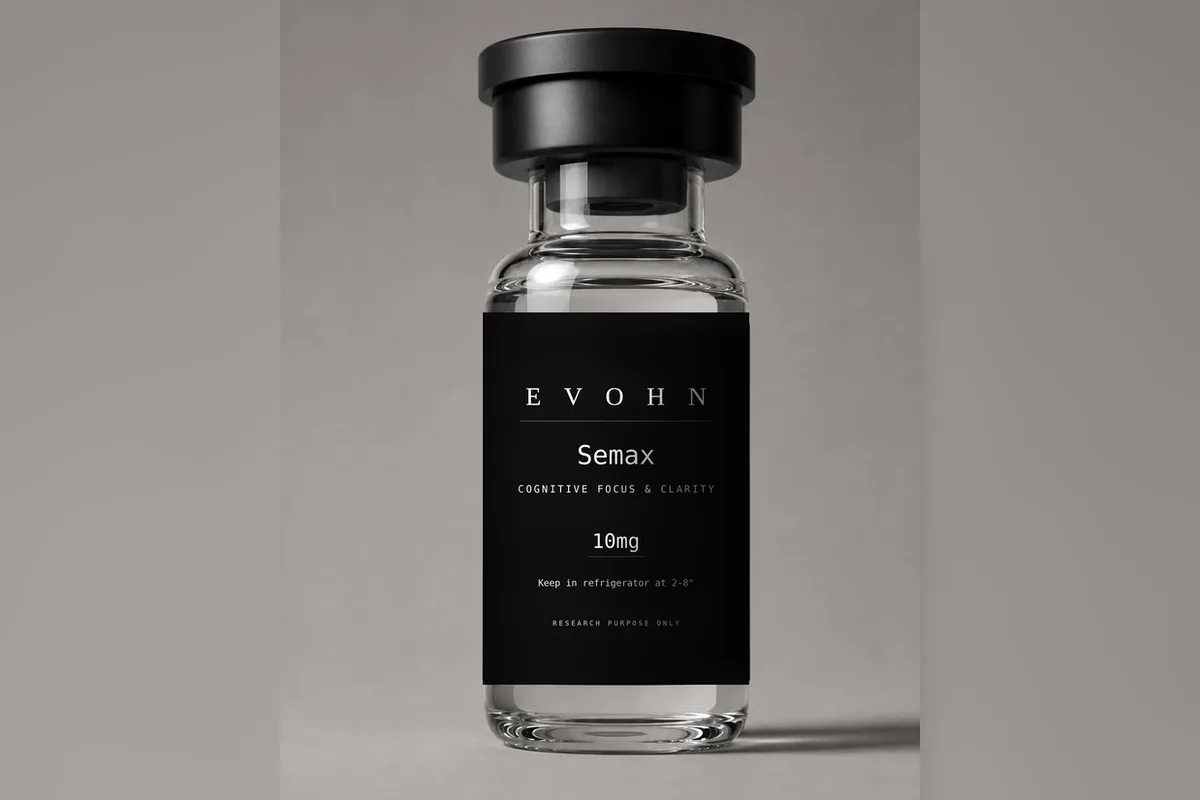
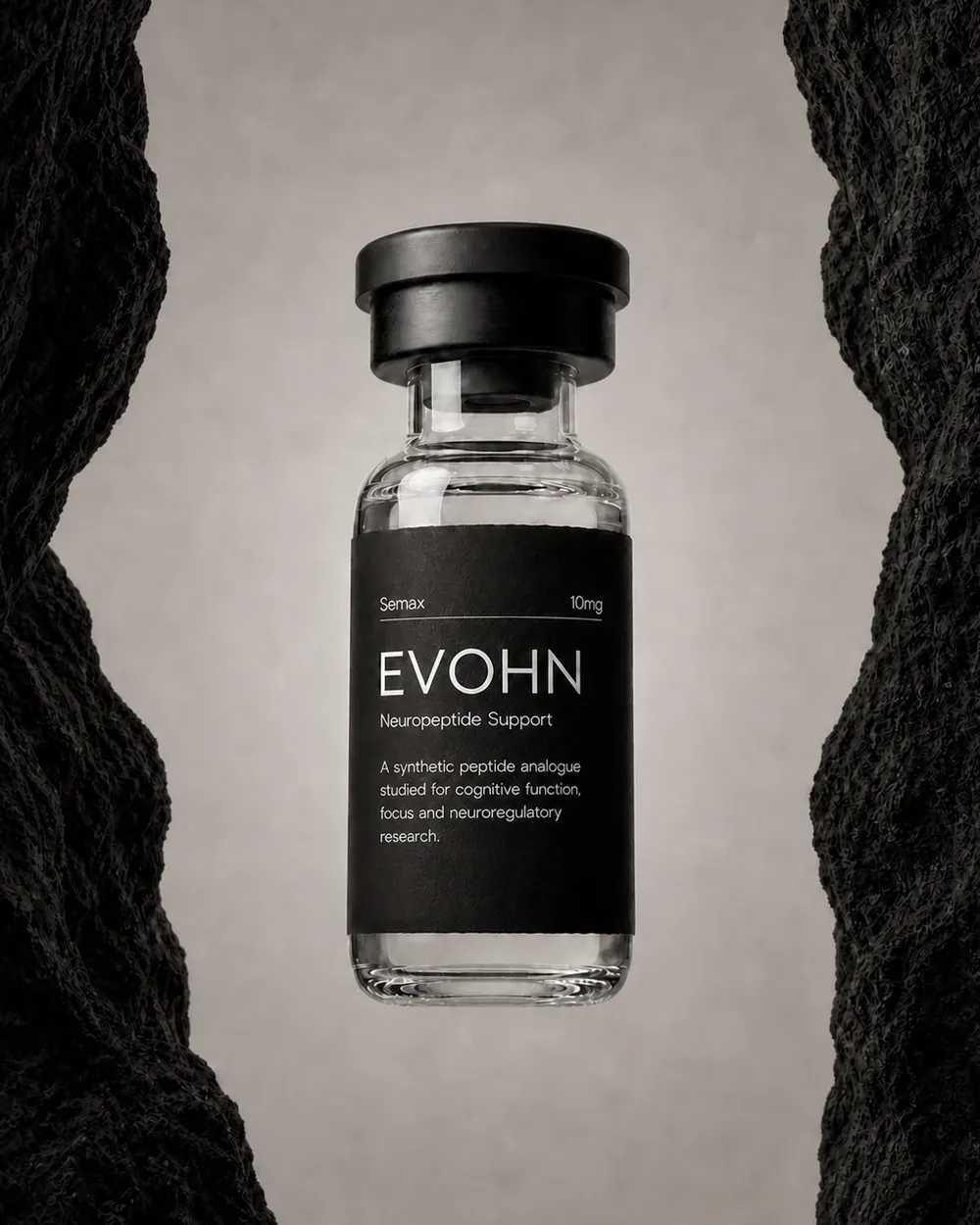
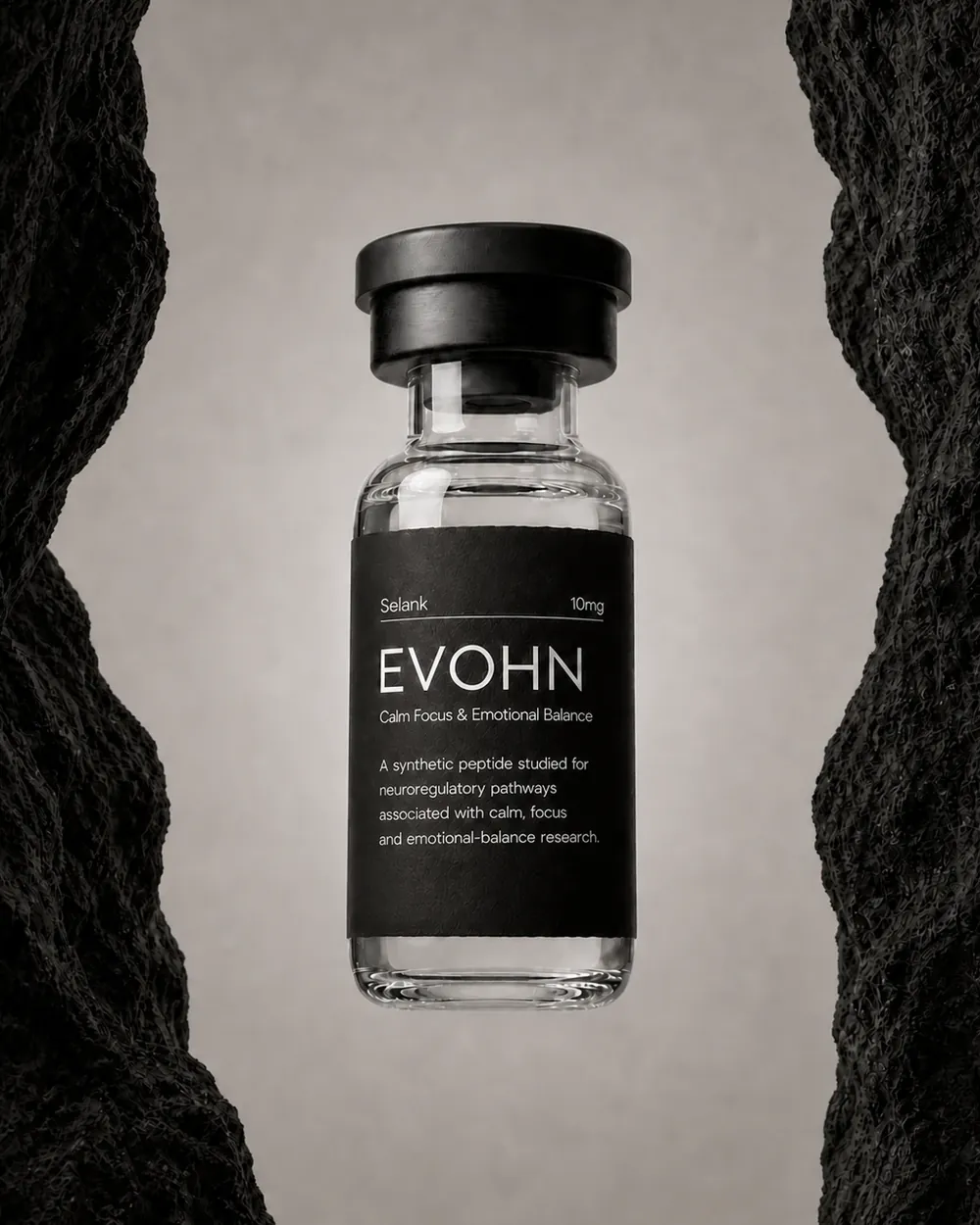
Semax and Selank are the two most extensively documented members of the Russian regulatory-peptide series, and they are rarely studied apart. Both are short peptides stabilised by a proline-glycine-proline extension; both act on neurotrophic expression; neither does so by the same route.
The grouping is assembled for comparative neuropeptide work — the case where the question is not whether a peptide has an effect, but which of two mechanisms accounts for it.
To place two mechanistically distinct regulatory neuropeptides in one comparative frame with a shared stabilising architecture.
03 independently certified vials
Each component carries its own batch number and its own certificate of analysis. A stack result is only traceable if every batch identifier is recorded.
01
10 mg / vial
Neurotrophic arm — BDNF and NGF expression, monoaminergic signalling.
02
10 mg / vial
Regulatory arm — enkephalin degradation kinetics, GABAergic expression.
03
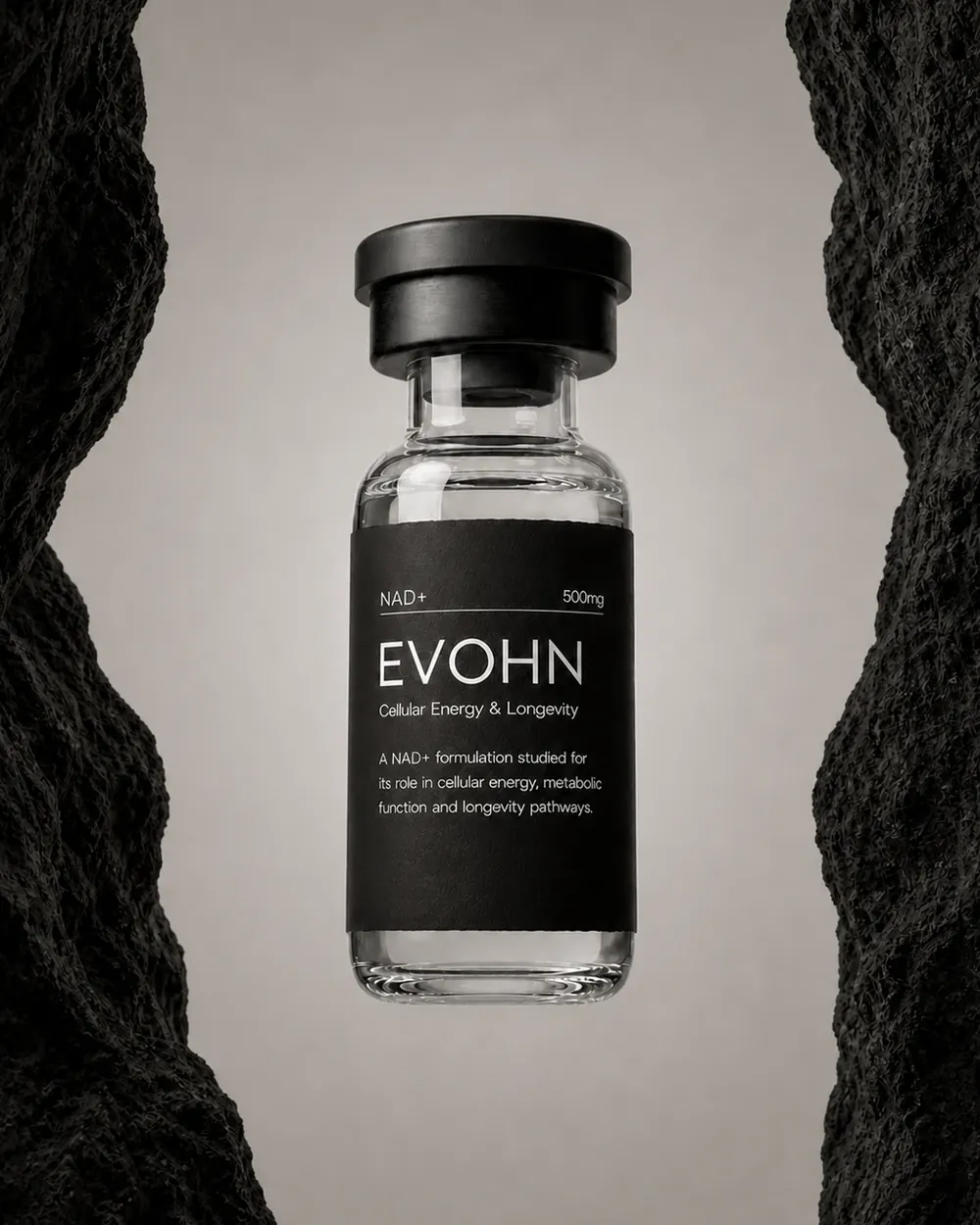
500 mg / vial
Energy context — neuronal mitochondrial capacity as a covariate.
Semax is characterised as an ACTH(4-10) analogue that raises BDNF and NGF transcript levels in hippocampal and cortical preparations without the adrenocorticotropic activity of the parent fragment, with additional work on dopaminergic and serotonergic signalling. Selank derives from the immunomodulatory tetrapeptide tuftsin and is examined for inhibition of enkephalin-degrading enzymes alongside changes in GABAergic and serotonergic gene expression. Both share the proline-glycine-proline extension that confers peptidase resistance — which makes the pair a natural control for one another on stability while differing on mechanism.
How the set is handled
A description of laboratory practice as the published record reports it. Nothing here is administration guidance, and none of it should be read as such.
Every component is supplied lyophilised and is stored independently at −20 °C, protected from light and moisture. Components are not pre-mixed: each vial carries its own batch number and its own certificate of analysis, and each is reconstituted separately. Once in solution, hold at 2–8 °C and observe the interval stated on the batch certificate for that specific component — the shortest interval in the group governs the group.
Storage & handling guideFurther reading
About this grouping
This catalogue is presented for informational purposes only. It is not an offer of sale, and it makes no medical or therapeutic claim.
Enquiries
Ask a specialist about the Cognitive Protocol — component batches, current documentation, and what can be supplied to your territory.