Compound Profiles7 min read
Two Doors Into the Somatotropic Axis
GHRH receptor agonism and GHS-R1a agonism are separate routes to the same axis, acting through different G-protein pathways.
Read entryStack 04
Two independent inputs to the growth axis, examined alongside tissue remodelling.
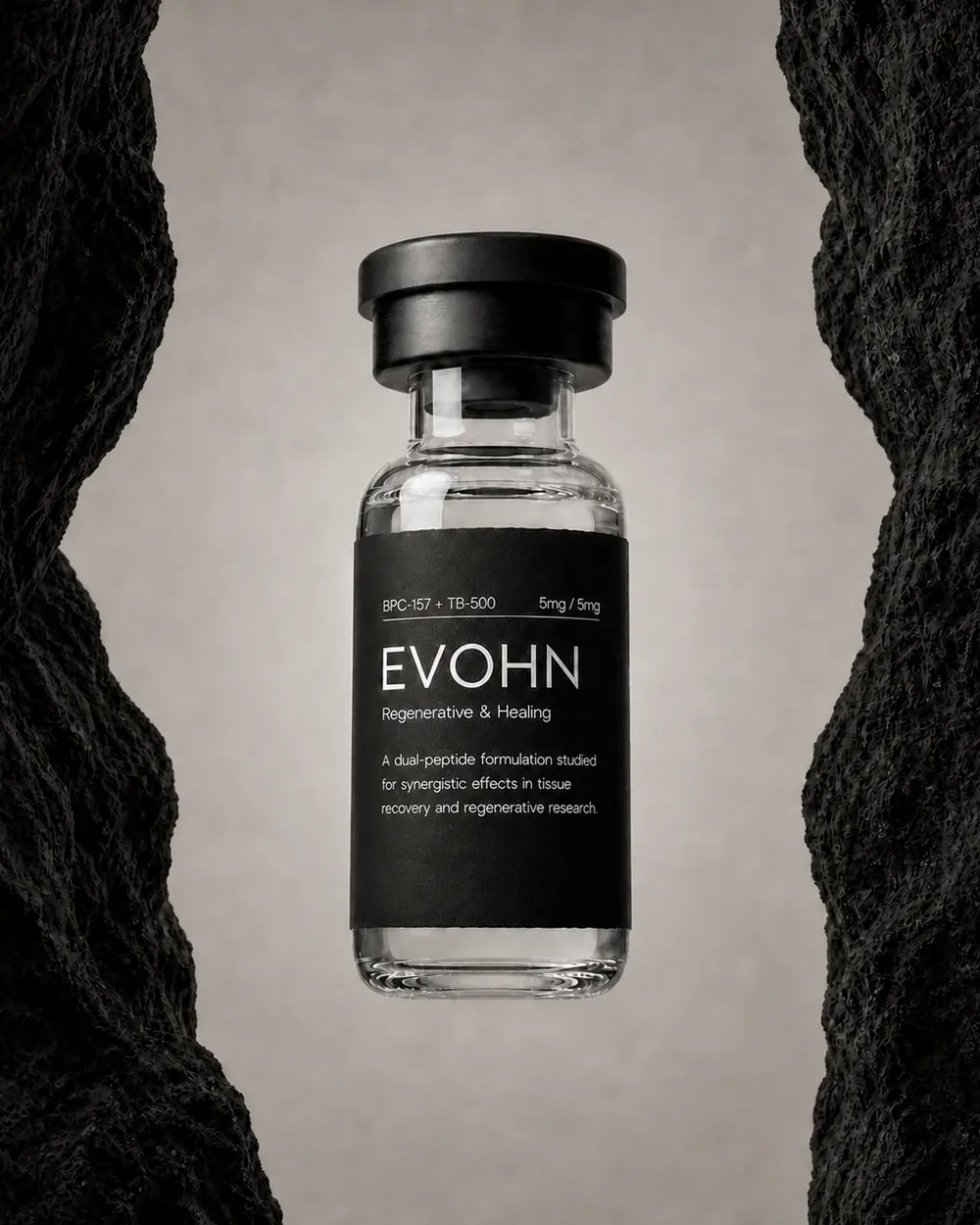
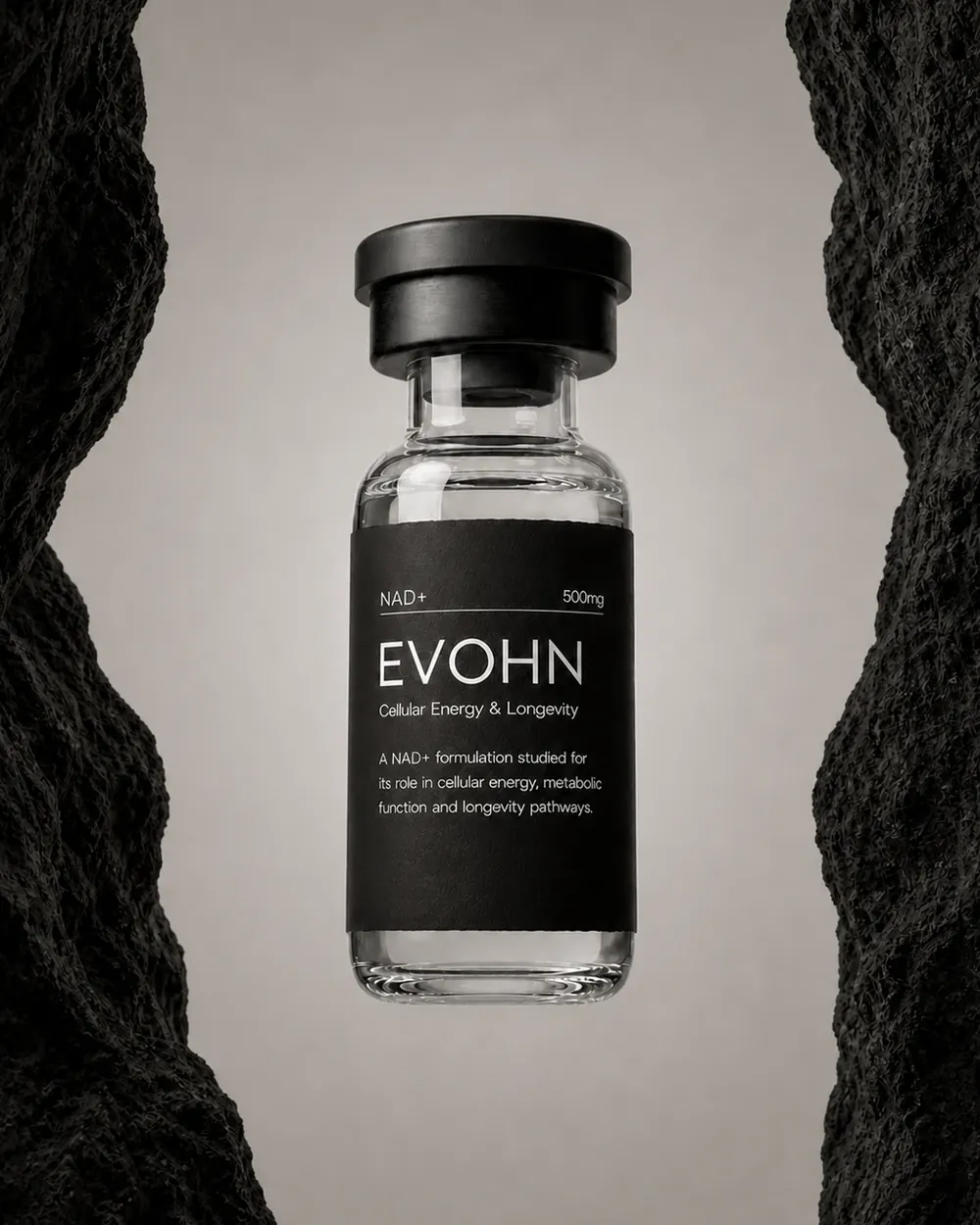
What this grouping is
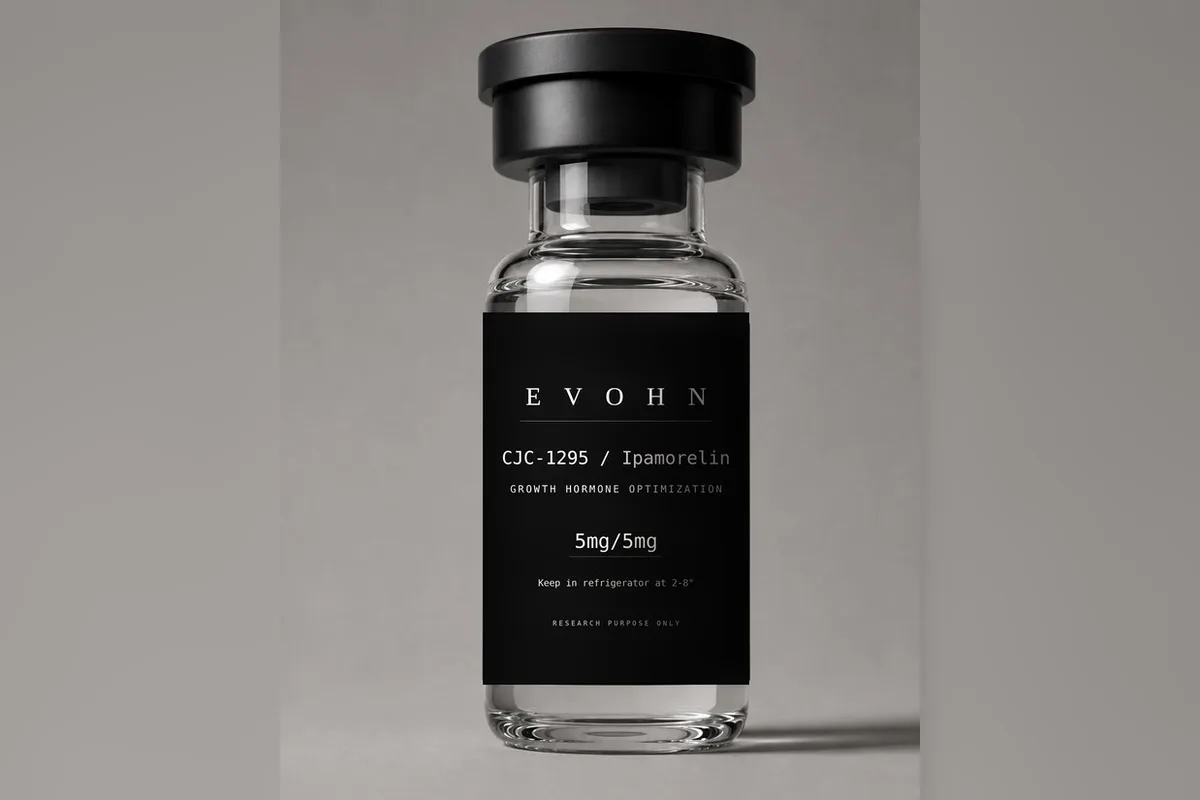
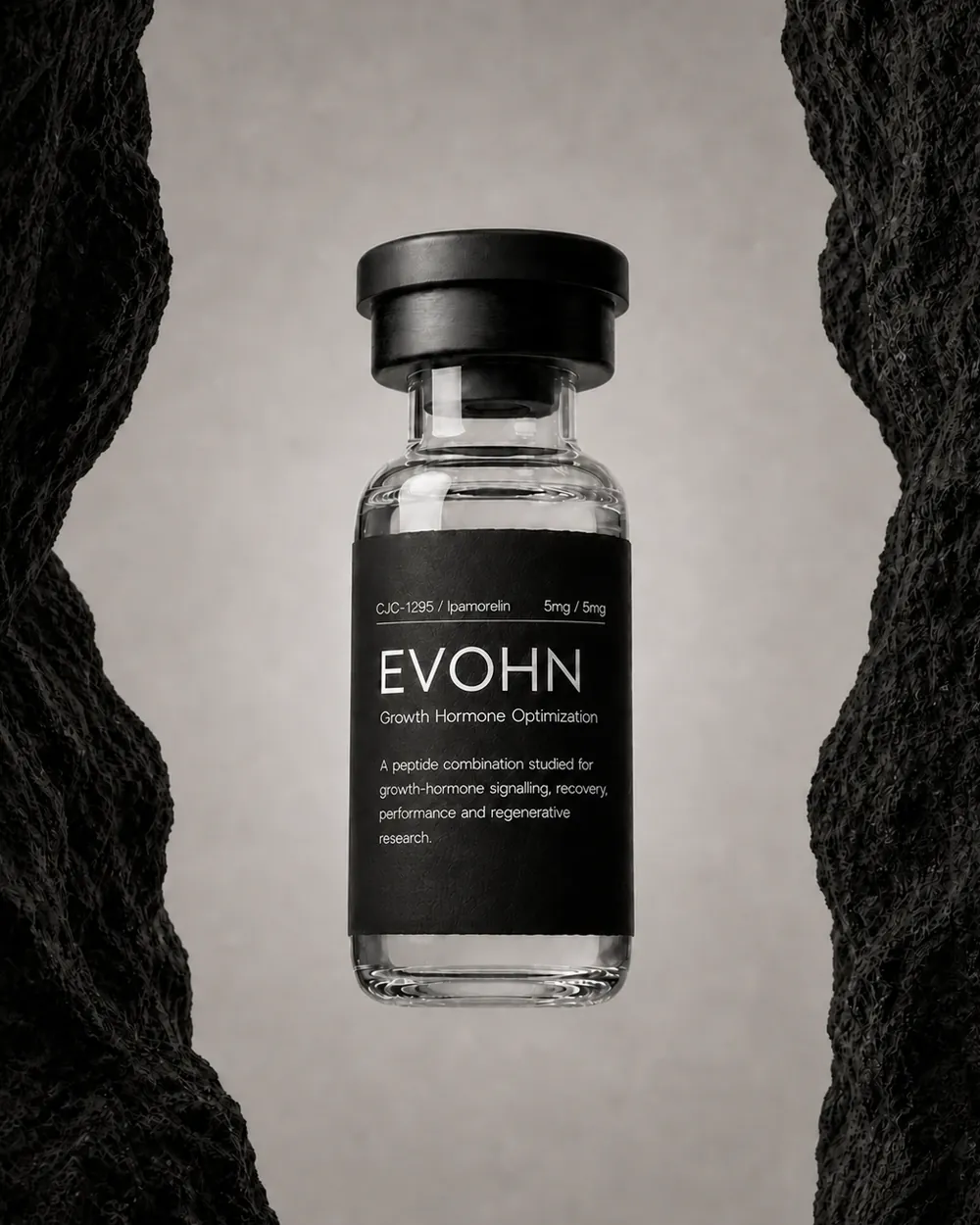
The somatotropic axis has two distinct pharmacological entry points, and the literature treats them as complementary rather than interchangeable. CJC-1295 engages the GHRH receptor; Ipamorelin engages GHS-R1a through a separate G-protein route. Supplied together, they allow the additive question to be asked directly.
TB-500 is included because growth-axis studies frequently carry a tissue-remodelling endpoint, and actin dynamics are the most direct way to measure it. The grouping is therefore two inputs and one readout.
To make both routes into the somatotropic axis available in one documented set, with a cytoskeletal readout for downstream remodelling.
03 independently certified vials
Each component carries its own batch number and its own certificate of analysis. A stack result is only traceable if every batch identifier is recorded.
01
5 mg + 5 mg / vial
Dual somatotropic input — GHRH receptor and GHS-R1a in one preparation.
02
5 mg + 5 mg / vial
Cytoskeletal readout — actin dynamics as the remodelling endpoint.
03
500 mg / vial
Metabolic context — mitochondrial capacity as a covariate of growth signalling.
CJC-1295 is characterised as a GHRH analogue modified at four positions to resist dipeptidyl peptidase cleavage, engaging the GHRH receptor on somatotrophs and raising cyclic AMP to increase secretory pulse amplitude. Ipamorelin is a selective pentapeptide agonist at GHS-R1a acting through a Gq-coupled route, notable in the literature for the absence of the cortisol and prolactin cross-reactivity reported for earlier secretagogues. TB-500 supplies the remodelling readout through G-actin sequestration and the resulting shift in polymerisation equilibrium.
How the set is handled
A description of laboratory practice as the published record reports it. Nothing here is administration guidance, and none of it should be read as such.
Every component is supplied lyophilised and is stored independently at −20 °C, protected from light and moisture. Components are not pre-mixed: each vial carries its own batch number and its own certificate of analysis, and each is reconstituted separately. Once in solution, hold at 2–8 °C and observe the interval stated on the batch certificate for that specific component — the shortest interval in the group governs the group.
Storage & handling guideFurther reading
About this grouping
This catalogue is presented for informational purposes only. It is not an offer of sale, and it makes no medical or therapeutic claim.
Enquiries
Ask a specialist about the Somatotropic Protocol — component batches, current documentation, and what can be supplied to your territory.